The Journey of Reggae’s International Am-BASS-Ador
In most bands, it’s often the lead singer who garners the most attention. But for those who understand the heartbeat of a performance, it’s the musicians, the ones laying the foundation, who truly hold the groove. Such is the case with Amlak Tafari, the dynamic and high-energy bass player for the legendary British reggae band Steel Pulse. Charismatic on stage and comedic on social media, Amlak describes himself as the “International Reggae Am-BASS-Ador.” But beyond the persona lies a story of musical dedication, cultural advocacy, and global impact.
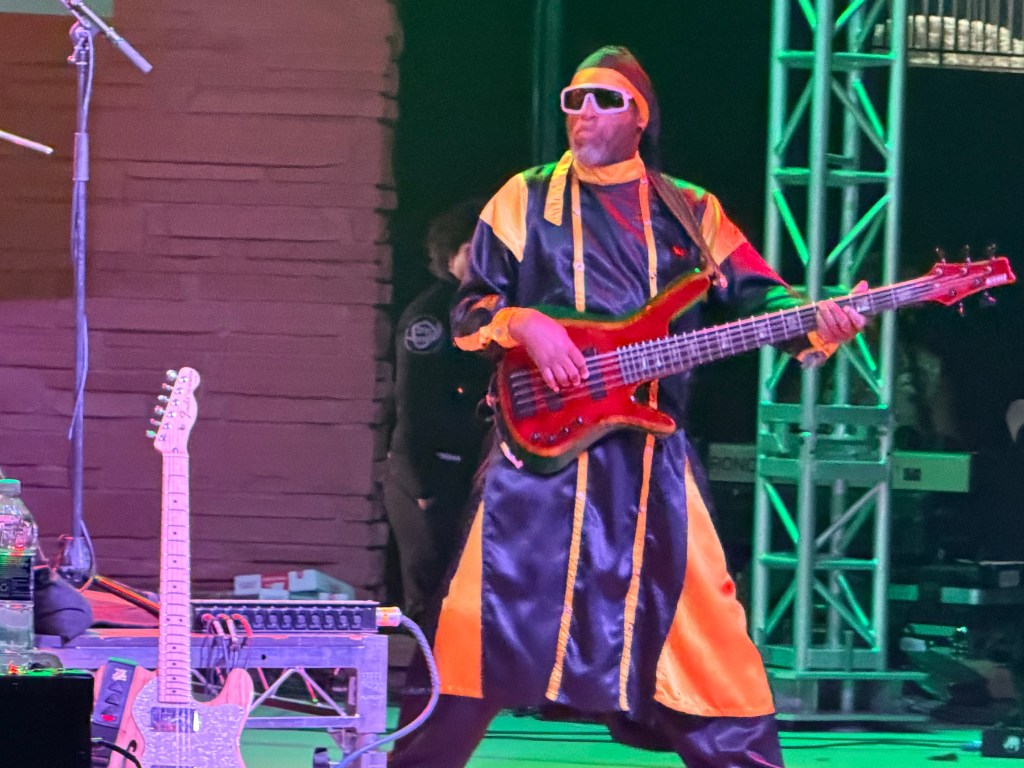
Born in Handsworth, Birmingham, UK, to Jamaican parents, Amlak’s musical journey began early. As a child, he formed a “cardboard band,” crafting instruments from Tupperware and cardboard. Like many UK schoolchildren at the time, he also learned to play the recorder and mouth organ. His first real foray into music came through the church, where he played in a steel band performing Caribbean-influenced music.
His transition to reggae began when members of a reggae band visited his church. He soon joined them, playing rhythm guitar in a group called Pride and Joy. From there, his path led to the Amlak Band, which toured Europe backing major reggae artists. It was with this group that Amlak made a pivotal switch to bass guitar. When their bassist abruptly quit just two weeks before a major show with Big Youth in Paris, Amlak stepped up. What began as a necessity quickly evolved into his musical calling.
In 1989, Amlak became lead guitarist for Pato Banton and the Reggae Revolution and also did stints with Tippa Irie, Earl Sixteen, and Mikey Dread. In 1991, he returned to Pato’s band—this time as the bass player. Notably, he wrote and performed the Spanish DJ-rap for “Ven A Mi Fiesta” on Pato’s Stay Positive album, showcasing his linguistic versatility and creative range. A year later, Amlak relocated to California with Pato Banton, a collaboration that lasted until 1998.
While in the U.S., Amlak toured with the Wailing Souls and later formed Yellow Wall Dub, initially a solo project that expanded with the addition of the late guitarist Fazal Prendergast. Based in the Bay Area, Yellow Wall Dub became the go-to backing band for artists like Don Carlos, Apple Gabriel, Sister Carol, Luciano, The Itals, Ras Shilo, and The Abyssinians. Simultaneously, Amlak managed artists, coordinated tours, and MC’d major shows across the U.S.
Eventually, he returned to the UK, where he launched Yellow Wall Dub UK and Yellow Wall Productions Music and Mentoring Services. Meanwhile, Yellow Wall Dub USA continued supporting reggae luminaries such as Yami Bolo, The Melodians, The Mighty Diamonds, and Frankie Paul. Throughout his career, Amlak has written, produced, and performed alongside countless international artists.
In 2005, Amlak joined Steel Pulse as their bass guitarist, replacing Alvin Ewen. Despite the band’s demanding tour schedule, Amlak remains committed to community upliftment. He is a dedicated mentor and workshop facilitator, working with organizations like East Staffordshire Racial Equality Council (UK), Express Yourself Youth Projects (USA), and Biruta (Brazil). He regularly visits schools and correctional facilities, aiming to connect with youth who may feel unreachable by traditional voices.
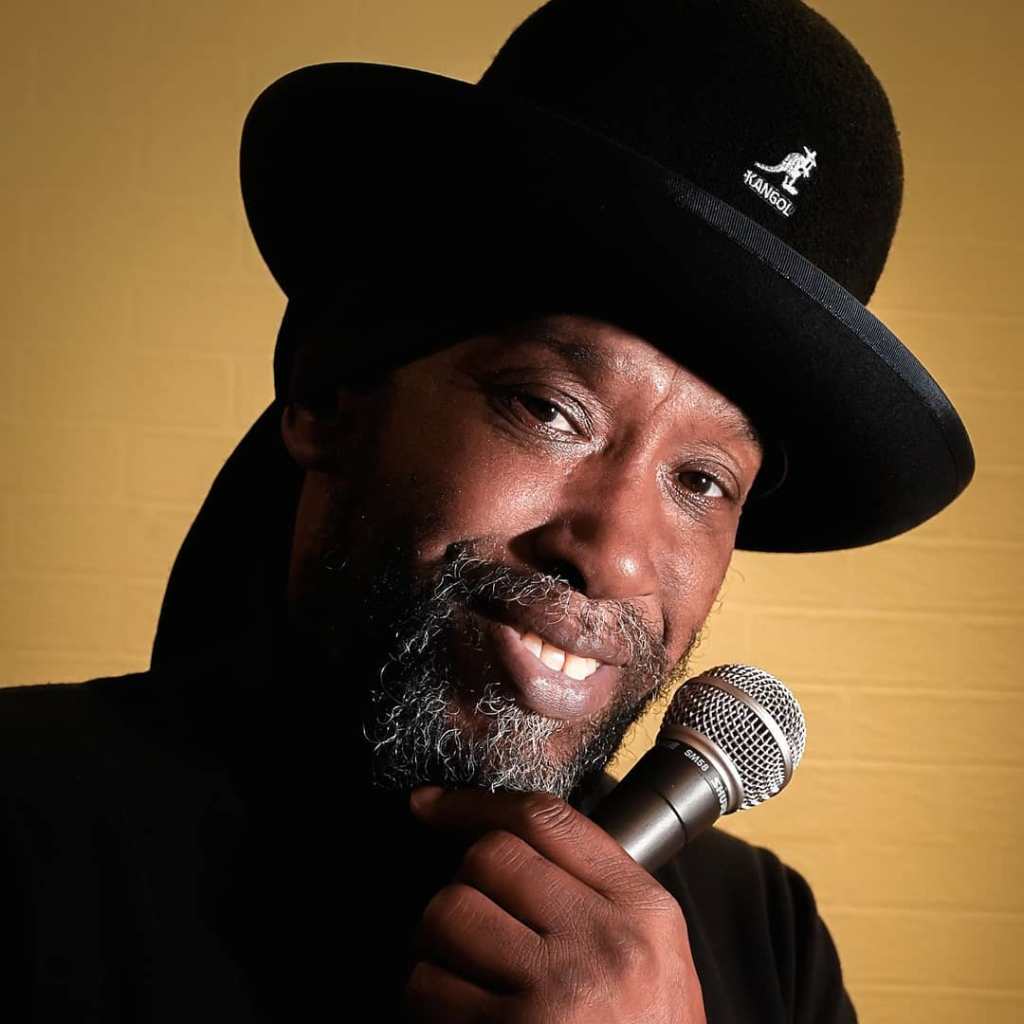
A powerful advocate for reggae’s cultural integrity, Amlak has begun sharing his insights through public speaking. One of his key messages centers on preserving reggae’s historical and spiritual roots. “There’s reggae reggae everywhere, but not a Rasta in sight,” he says, not as a critique of non-Rastas, but as a call to remember reggae’s foundation in Rastafarian consciousness and the struggles that birthed it.
Amlak believes that reggae, like a great tree, cannot thrive without its roots. “No matter how big the tree, without the roots, it will topple. But it’s not a one-way thing, the tree needs the leaves and fruit too.” He emphasizes that although reggae was born from sufferation, every generation connects to the music in different ways. “The younger generation in the U.S. may vibe more with surfing, weed culture, and sunshine. That doesn’t mean their reggae isn’t real, it’s just from a different lens.” For Amlak, the key is understanding the lineage. “You’re wiser if you know where you come from. Peace, love, and unity, that message remains the same.”
Amlak holds a Bachelor’s degree in Popular Music, a Master’s in Musicology, and is currently pursuing a PhD. His work is as diverse as his resume. He sits on the board of E.P.I.C. (Environmental Protection In The Caribbean) and is partnering with Professor Paul Sikkel of the University of Miami’s Rosenstiel School on a new initiative, details of which remain under wraps for now. Their connection began when Professor Sikkel named a newly discovered Caribbean parasite after Bob Marley, sparking controversy in the Rastafarian community. Amlak helped bridge the cultural gap in a thoughtful and widely viewed YouTube interview.
New musical releases are on the horizon, and fans can stay updated through Amlak’s Instagram @amlak_tafari the TiReD TaFaR oN ToUr, where he entertains thousands with his spontaneous “You are now live, which means I am A-Live” broadcasts, his way of giving thanks and keeping the connection real. After every reggae show, Amlak makes time to meet fans, ask questions, and spread positive energy.
His live speaking series, From Handsworth to Hollywood, serves as a living autobiography, tracing his journey from near-death at the hands of police to international acclaim with Steel Pulse. These talks are informative, humorous, and deeply moving, and he’s available for Corporate, Entertainment, and Motivational events.
From cardboard instruments to global stages, Amlak Tafari’s journey is still unfolding. One thing is clear: this Am-BASS-Ador of reggae is far from done. From Handsworth To Hollywood, his reggae journey is just the beginning.

